EGYPT
Birding the Nile Valley
A special 9 day tour in search of some true WP megas! We travel from Cairo to Aswan and continue further south to the remote outpost of Abu Simbel.
DAY 1 ARRIVAL IN CAIRO
This is purely an arrival day into Cairo International Airport, and no birding or cultural excursions are planned. Night in Cairo.
DAYS 2 - 4 CAIRO to FAIYOUM
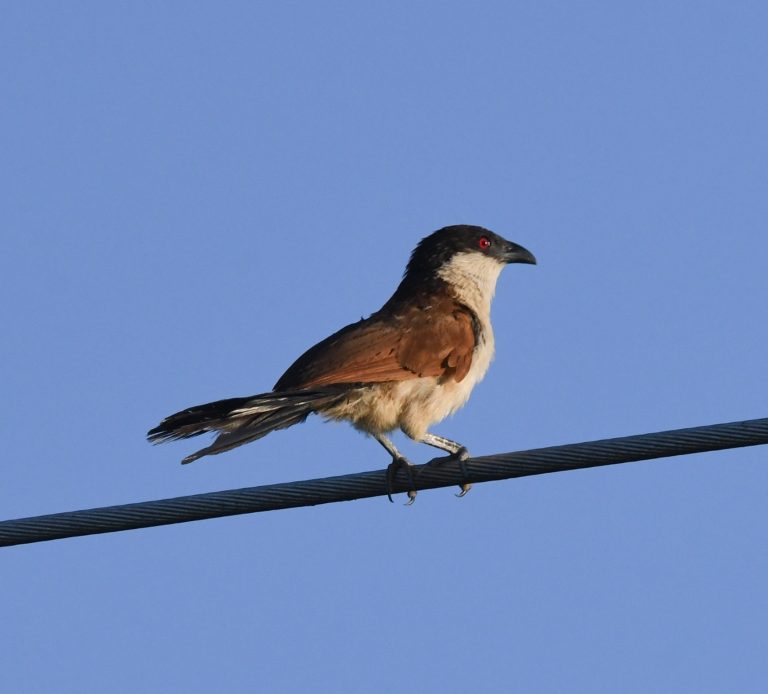
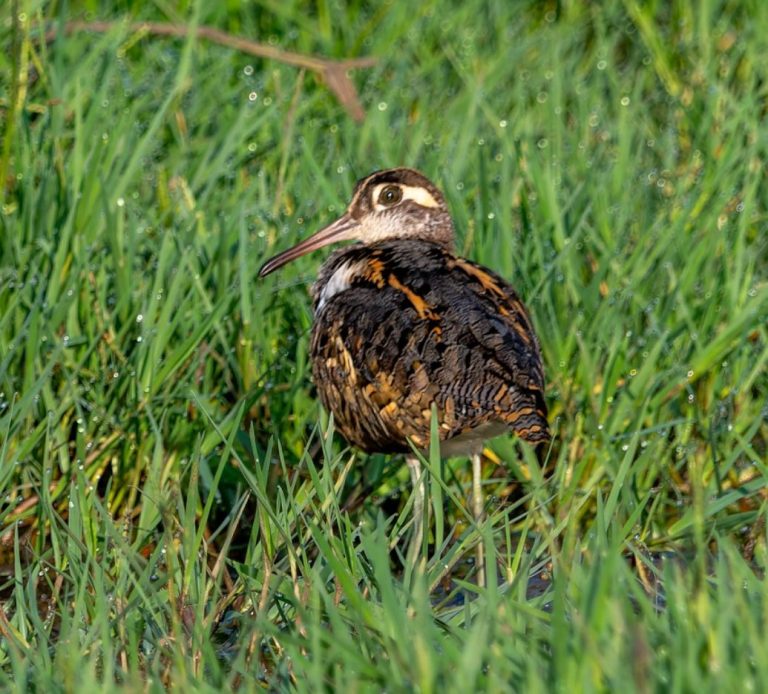
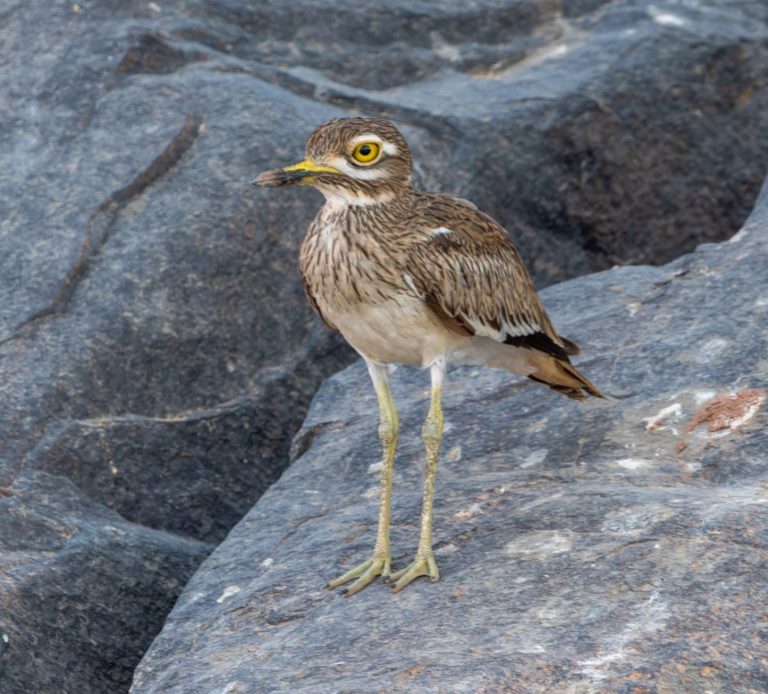
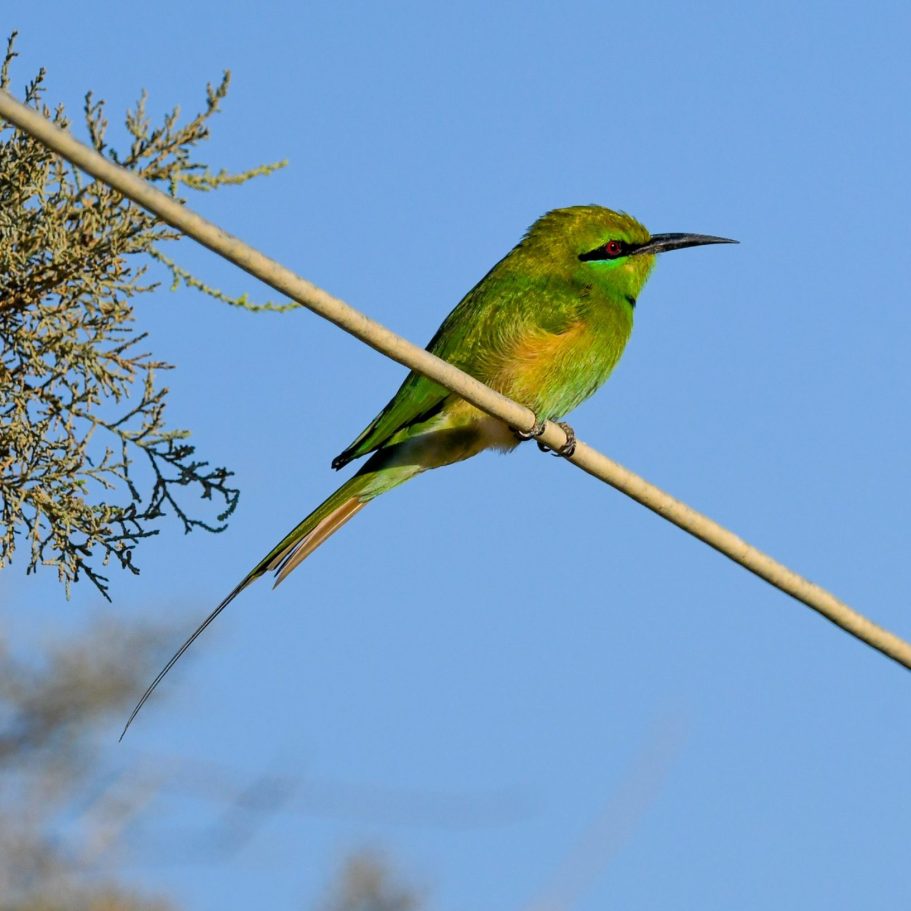
Our programme over these 3 days is rather flexible depending on the status of some of our targets. We plan to spend the first morning around Faiyoum, which is our best bet of finding Senegal Coucal. The same area also holds Senegal Thick-knee, Greater Painted Snipe, African Green Bee-eater, Indian Silverbill and Red Avadavat.
Continuing south we will then target an area for Chestnut-bellied Sandgrouse, at the only site it is possible to see them in the entire Western Palearctic.
Our third and final full day around Cairo will see us targetting Kittlitz's Plover and Streaked Weaver, both mega birds for our region.
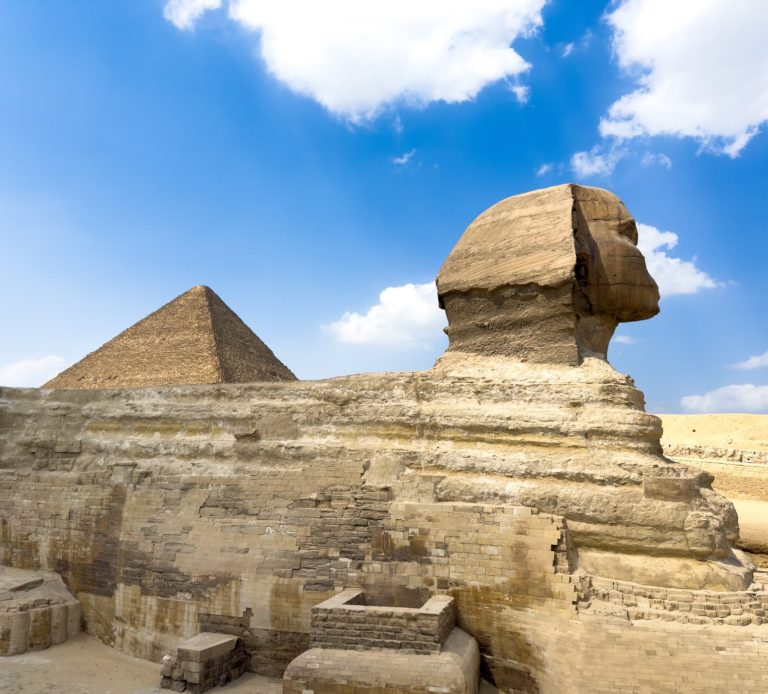
We have also facotred in an afternoon visit to Giza and the Great Pyramid and Sphinx, because you simply have to when in Cairo!
DAYS 5 - 6 CAIRO to ASWAN
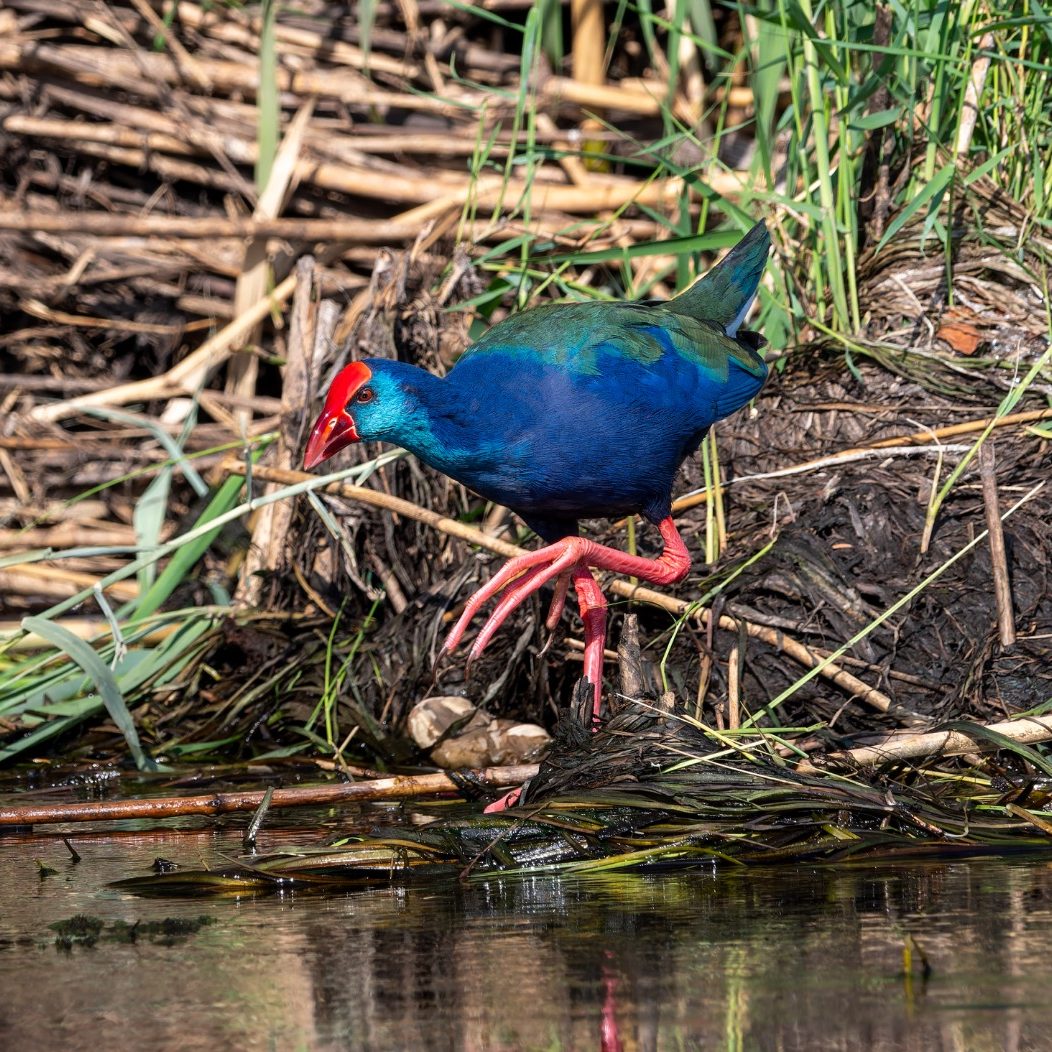
We have another morning around Cairo to mop up any species we still need before taking the short flight south to Aswan. Birding around Aswan is spectacular and combining a mixture of roadside birding and making use of a motorised boat along the Nile we will have further chances of key species such as Senegal Thick-knee, Greater Painted Snipe, and African Green Bee-eater. Plus we should see African Swamphen, Clamorous Reed Warbler and Nile Valley Sunbird, with potentially some really good photographic opportunities. Amongst a multitude of commoner species possible we could see using the Nile as a major migratory route - Ferruginous Duck, Glossy Ibis, Purple, Squacco & Striated Herons, Little Bittern, Black, Yellow-billed & Black-winged Kites, Long-legged Buzzard, Barbary Falcon, Gull-billed, Whiskered and Black Terns, various migrating passerines. Meanwhile, the Aswan area has become THE place in recent years to see the Western Palearctic mega - Three-banded Plover, a few pairs of which attempt to breed here every year at its only known site in the entire Western Palearctic! We also have a chance of Crowned Sandgrouse in the nearby desert as well. Nights in Aswan.
DAYS 7 - 9 ASWAN to ABU SIMBEL
After some final birding in the Aswan area we will drive around 3 hours south to Abu Simbel where we will stay for 3 nights. We are sure to be super excited tonight as the avifauna occurring here has a closer affinity to the Afrotropics (sub-Saharan Africa) than to the Palaearctic and there are some extremely sought-after species to find over the next couple of days.
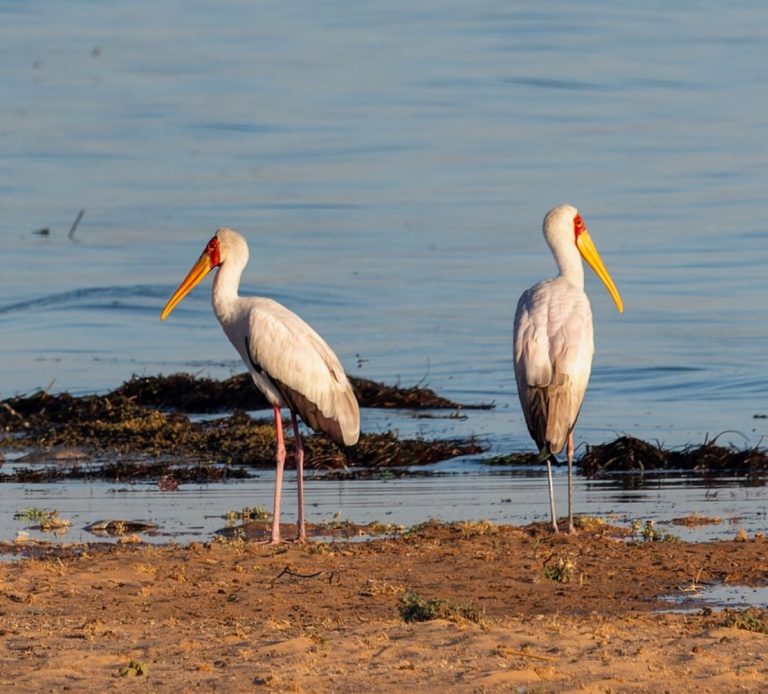
Abu Simbel offers the keen Western Palearctic lister some of the rarest birds in our region and the possibilities are truly exciting. Mega WP species present here - Reed Cormorant, Yellow-billed Stork, Kittlitz's Plover, Plain (Brown-throated) Martin, African Pied Wagtail, Crimson-rumped Waxbill & Village Weaver. If there's ever going to be another Pink-backed Pelican or African Skimmer in the Western Palearctic, then it will be here!
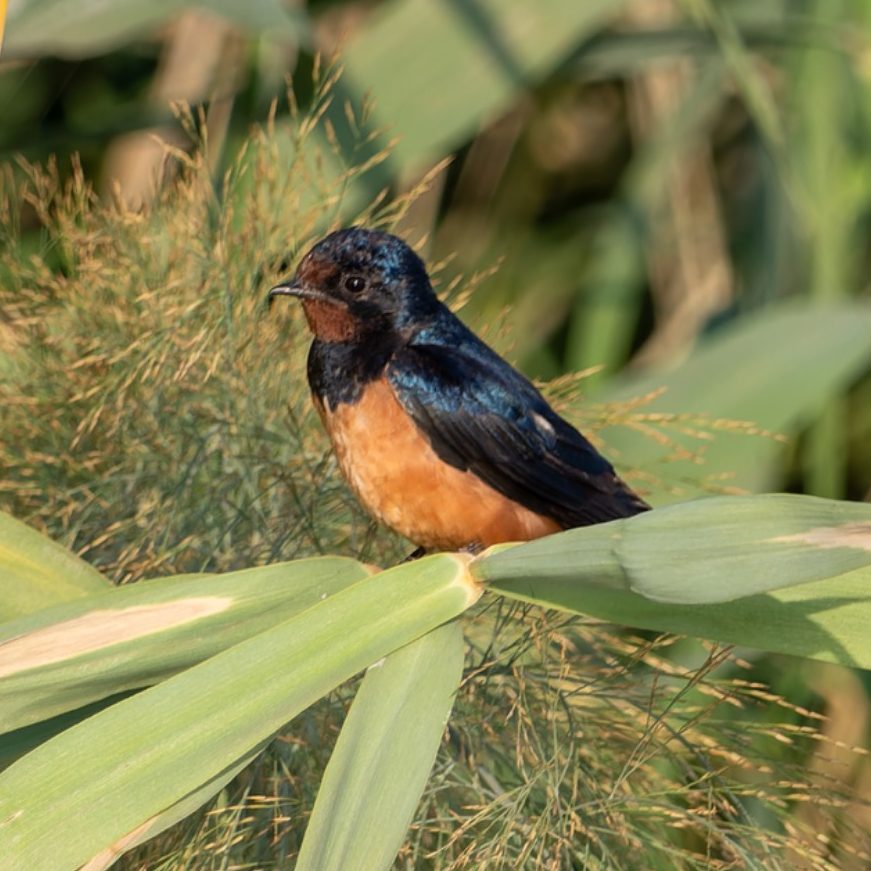
Potential other species are many and varied and hopefully we can witness some good migration and find the bushes and trees alive with passerines! Possibilities include Egyptian Goose, Eurasian Spoonbill, Black-crowned Night-Heron, Glossy Ibis, Osprey, White-throated & Pied Kingfishers, Spur-winged Lapwing, Little Stint, Curlew Sandpiper, Slender-billed Gull, Whiskered, White-winged & Gull-billed Terns, Laughing Dove, European Turtle Dove, Eurasian Hoopoe, Eurasian Golden Oriole, European & Blue-cheeked Bee-eaters, Bee-eater, Pale Crag Martin, Eurasian Wryneck, Woodchat & Masked Shrikes, White-crowned Wheatear, Rufous-tailed Scrub-Robin, Semicollared Flycatcher, Graceful Prinia, Great Reed & Clamorous Warbles, Marsh, Eastern Olivaceous & Eastern Bonelli's Warblers, Brown-necked Raven, Red-throated Pipit, Western Yellow Wagtail of several different races and more. If we are lucky, then an evening excursion could give us a Pharaoh Eagle Owl or Egyptian Nightjar. As we are right on the edge of the Western Palearctic boundary during prime migration season, the chances of finding something rare are pretty good!
We can also visit the spectacular Abu Simbel Temples, which were built in honour of Ramses II and his beautiful wife Nefertari. The sound and light show shortly after sunset is awesome! Nights in Abu Simbel.
DAY 10 ABU SIMBEL to CAIRO
We should have a little time to chase any species we might still need before heading to the nearby airport and flying back to Cairo where the tour concludes this afternoon.
EGYPT - THE NILE VALLEY
For further information, costs etc please click on the link below.